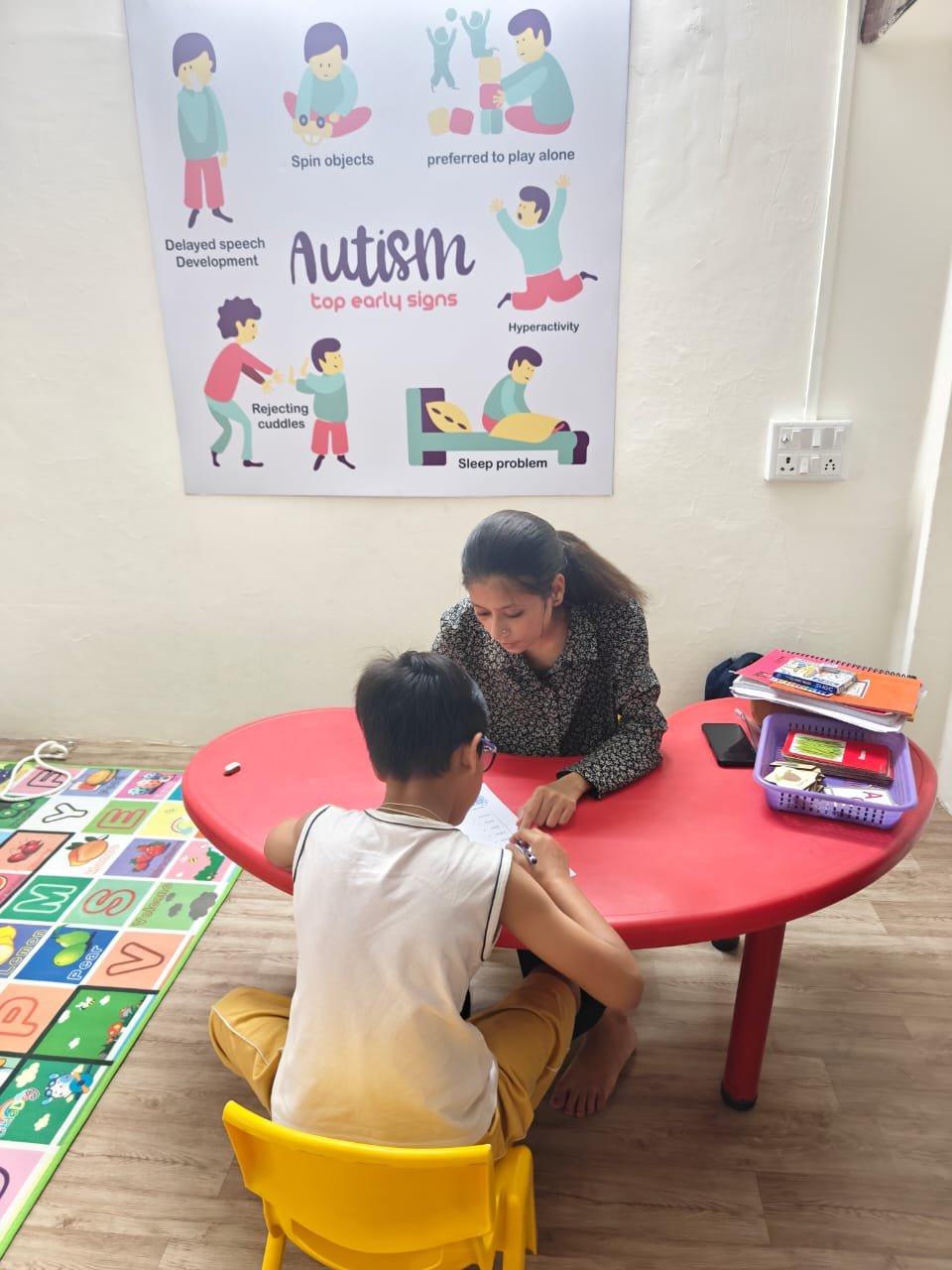
Special Education
Special education is a type of education designed specifically to meet the unique needs of students with disabilities or learning differences. It provides customized instruction, support, and services so that every child can reach their full potential, regardless of challenges they might face.
Key Features of Special Education:
-
Individualized Education Plan (IEP):
A personalized plan developed for each student that outlines goals, accommodations, and teaching strategies tailored to their specific needs. -
Specialized Teaching Methods:
Teachers use techniques and tools that suit a student's learning style (e.g., visual, auditory, kinesthetic). -
Support Services:
Includes speech therapy, occupational therapy, counseling, and assistive technology to support learning. -
Inclusive or Separate Settings:
Special education can be provided in:-
Regular classrooms (inclusion)
-
Special education classrooms
-
Special schools
-
-
Covers a Range of Disabilities:
Such as:-
Autism spectrum disorders
-
ADHD
-
Learning disabilities (like dyslexia)
-
Physical disabilities
-
Intellectual disabilities
-
Emotional and behavioral disorders
Purpose:
The goal of special education is to ensure that all students, regardless of their abilities, have equal access to education and can participate fully in school and community life.
-